Why Rotator Cuff Injuries Stop Healing After 40
Why Rotator Cuff Injuries Stop Healing After 40
Most people assume shoulder pain is just inflammation. It’s not.
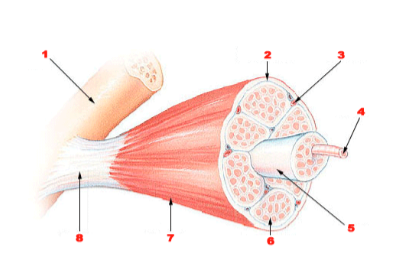
The rotator cuff is made of tendon tissue, and tendons don’t have a strong blood supply. When you’re younger, small injuries heal because your body can still repair microdamage efficiently.
After 40, that changes.
The tendon becomes weaker, less elastic, and slower to repair. What used to be a minor strain becomes a lingering problem. You rest it, maybe do some therapy, and it improves—but never fully resolves.
That’s because the issue is no longer inflammation.
It’s
degeneration and incomplete healing.
This is one of the most common patterns we see:
• pain with overhead motion
• weakness or fatigue in the shoulder
• recurring flare-ups with activity
• temporary relief, but never full resolution
This is where most treatments fall short. Anti-inflammatories reduce pain, but they don’t repair tissue. Steroid injections can actually weaken tendon structure over time.
What works better is stimulating repair.
Prolotherapy and injection-based treatments are designed to trigger the body’s healing response directly in the damaged tissue, improving strength and stability over time.
If your shoulder has been “almost better” for months or years, it’s usually not a use problem.
It’s a healing problem.