Acupuncture Therapy in Greenville, SC
Acupuncture Therapy at IHP Greenville. Dr. Hendry, DAOM — NCBAHM-certified, 25+ yrs experience, hospital-credentialed. Call (864) 365-6156.
"I have been going to Dr. Hendry for 2 months now, for Acupuncture and Supplements. After 2 months, this is the best I have felt in over 2 years. My energy is so much better, my gut and digestion is back to normal."
— Danny Pyatt · March 2026 · Google Review
A lot of patients come in expecting something mystical and leave having experienced something very physical. Acupuncture involves hair-thin needles inserted into specific anatomical locations — and the reason it works has less to do with energy channels than it does with nerve fibers, fascial planes, and the autonomic nervous system.
Here's how I explain the mechanism to a skeptic: you have a pain-modulating network in your spinal cord and brain — endorphins, enkephalins, serotonin, norepinephrine. It can be activated from the outside. Inserting a needle at the right anatomical location triggers that network through peripheral sensory afferents. The effects are measurable. The 2018 Vickers meta-analysis pooled individual patient data from 39 randomized trials — 20,827 patients — and found acupuncture significantly superior to both sham acupuncture and no-treatment for chronic back pain, neck pain, headache, and osteoarthritis. The effect sizes were comparable to first-line pharmaceutical interventions, with outcomes that held at 12-month follow-up.
I hold a DAOM — the doctoral credential in this field — and spent nine years on staff at Prisma Health, where I co-led a three-year Emergency Department study on acupuncture as an alternative to opioids for acute pain management. Five peer-reviewed publications, 54 citations. I'm telling you that not for credibility points, but because it's the level of scrutiny I apply to every treatment decision I make.
My approach integrates classical Five Element theory and the Nanjing tradition of channel palpation with anatomically precise, evidence-based protocol. Practically speaking: your treatment responds to how your body presents on that specific day. Not a script. Not a formula.
How Acupuncture Therapy Works
At your first acupuncture appointment, Dr. Hendry conducts a thorough intake covering your health history, chief complaints, sleep patterns, digestion, emotional state, and prior treatments. He examines your tongue and pulse using classical Chinese diagnostic methods that reveal patterns of imbalance invisible to conventional diagnostic tools. Based on this evaluation, he selects between 10 and 20 acupoints per session.
The needles — 0.16 to 0.25 mm in diameter, roughly the width of a human hair — are inserted to depths of 5 to 50 mm depending on the body region and therapeutic goal. Most patients feel no pain; a mild sensation of warmth, pressure, or tingling (called "de qi") is common and indicates the point is active. Needles remain in place for 20 to 40 minutes while you rest in a reclined position. Many patients experience a deep, meditative state of relaxation — and some fall asleep. After needle removal, Dr. Hendry may apply moxibustion (warming herb), cupping, or specific manual techniques to deepen the therapeutic effect.
Conditions Treated with Acupuncture Therapy
Acupuncture vs. Conventional Pain Management
Conventional pain management often relies on NSAIDs, opioids, muscle relaxants, or corticosteroid injections. These can provide short-term relief but carry significant risks — GI bleeding, dependency, adrenal suppression, and joint degradation with repeated injections. Acupuncture offers a different mechanism: it activates the body's endogenous pain-modulating systems (endorphins, serotonin, norepinephrine) and reduces inflammatory mediators without introducing exogenous chemicals. A 2018 meta-analysis in the Journal of Pain including 39 trials and nearly 21,000 patients found acupuncture significantly superior to both sham acupuncture and no-acupuncture controls for chronic pain — with effect sizes comparable to first-line pharmaceutical interventions. Unlike medications, acupuncture outcomes tend to hold after treatment ends, often improving over time with maintenance sessions.
Research & Evidence
The evidence base for acupuncture has expanded dramatically in the past 20 years. The Acupuncture Trialists' Collaboration (2018, JAMA) analyzed individual patient data from 39 high-quality randomized trials (20,827 patients) and concluded that acupuncture is effective for chronic back and neck pain, osteoarthritis, and headache prevention — with real-world effect sizes that support it as a first-line option. The National Institutes of Health (NIH) recognizes acupuncture as an effective treatment for postoperative nausea, chemotherapy-induced nausea, and multiple pain conditions. The WHO has identified 28 conditions for which acupuncture has been proven effective through controlled clinical trials. Dr. Hendry's own research at Prisma Health examined acupuncture specifically in emergency pain settings, demonstrating that needle-based interventions can substitute for opioid analgesics in acute pain scenarios.
Cost & Insurance Information
Self-pay rates at Integrative Health Partners are available upon request. Initial consultations (75—90 min) are priced separately from follow-up sessions (45—60 min). Many insurance plans now cover acupuncture for specific diagnoses (particularly musculoskeletal pain); we recommend calling your insurer to ask about your specific benefits under CPT codes 97810, 97811, and 97813. We do not bill insurance directly, but we can provide superbills (itemized receipts) for out-of-network reimbursement. Payment is due at time of service. Call (864) 365-6156 for current rates.
Treatment Timeline
Your First Appointment
Your first acupuncture appointment at Integrative Health Partners runs approximately 75 to 90 minutes. Arrive a few minutes early to complete intake paperwork, or request digital forms in advance by emailing info@ihpgreenville.com. Wear loose, comfortable clothing — Dr. Hendry may need to access your lower legs, forearms, and abdomen depending on your condition. Avoid alcohol the day of treatment and eat a light meal 1—2 hours beforehand (neither full nor empty). After your intake, Dr. Hendry will share his diagnostic findings and explain the treatment plan in plain language before proceeding. You are in control throughout the session — if any needle causes discomfort beyond the expected "de qi" sensation, let Dr. Hendry know and it will be adjusted immediately. After your first session, most patients feel calm and mildly tired; some notice immediate symptom improvement, while others require 2—3 sessions before significant changes occur. This is normal and discussed during your visit.
Why Dr. Hendry for Acupuncture Therapy
Dr. William Hendry holds a Doctor of Acupuncture and Oriental Medicine (DAOM) from East West College of Natural Medicine — the highest doctoral credential available in this field. He is NCBAHM board-certified (Dipl. O.M., Cert. #114498) with over 25 years of clinical experience treating thousands of patients across a wide range of conditions. He served on staff at Prisma Health for 9 years with hospital privileges — a distinction extremely rare among acupuncturists — where he co-led a landmark 3-year Emergency Department study on needling techniques as alternatives to opioids for acute pain management. That study has 5 peer-reviewed publications and 54 citations. When you receive acupuncture at IHP, you receive treatment from a clinician whose work has shaped the evidence base for the profession.
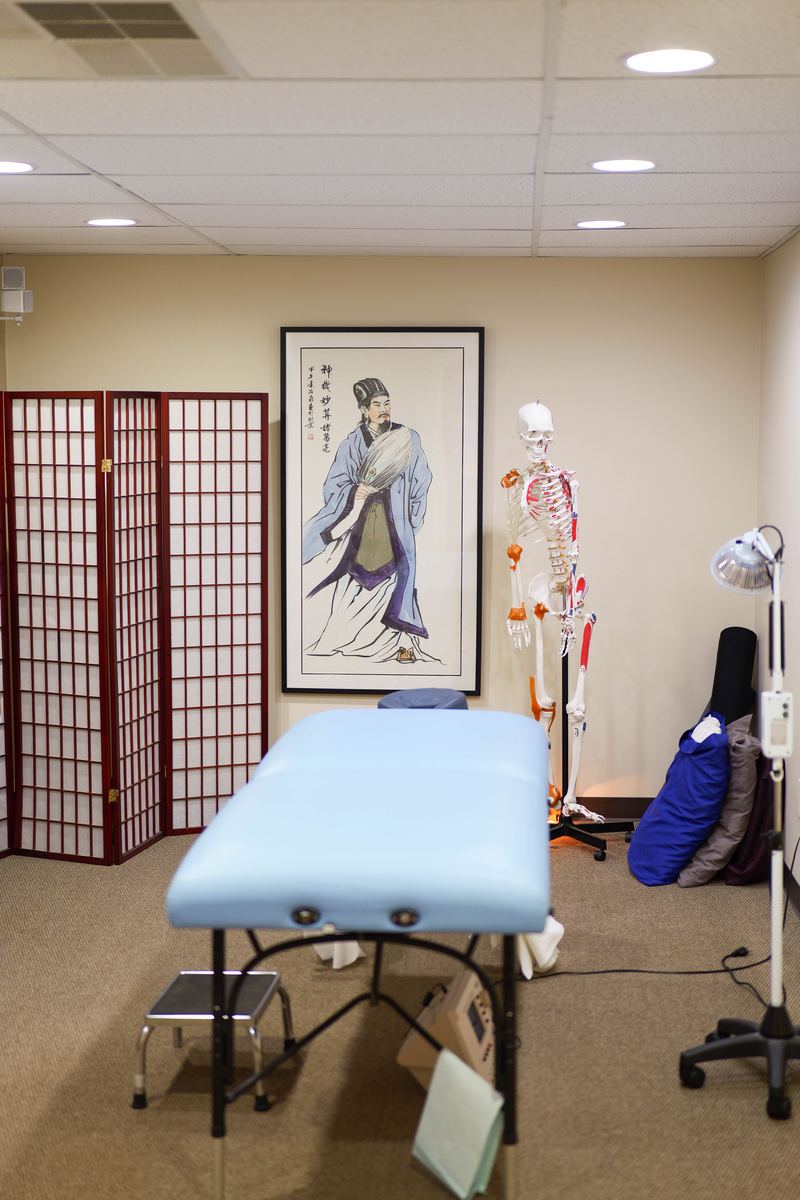
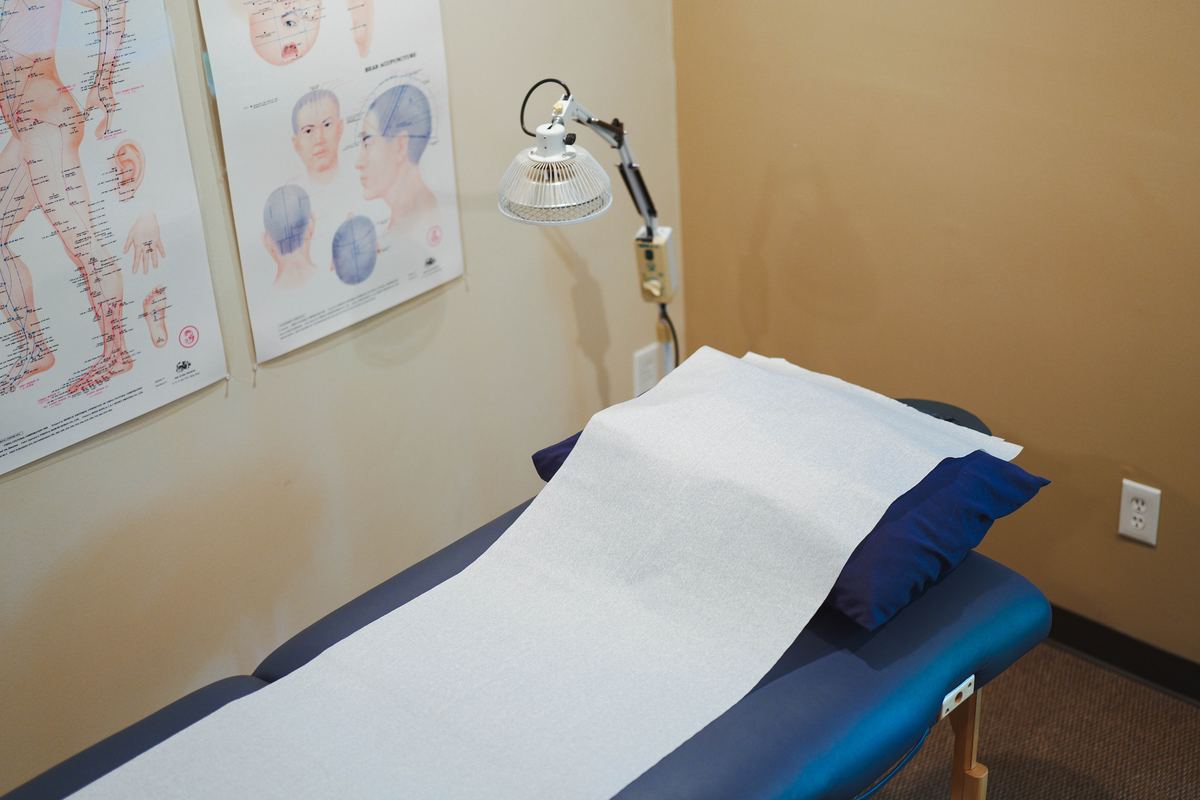
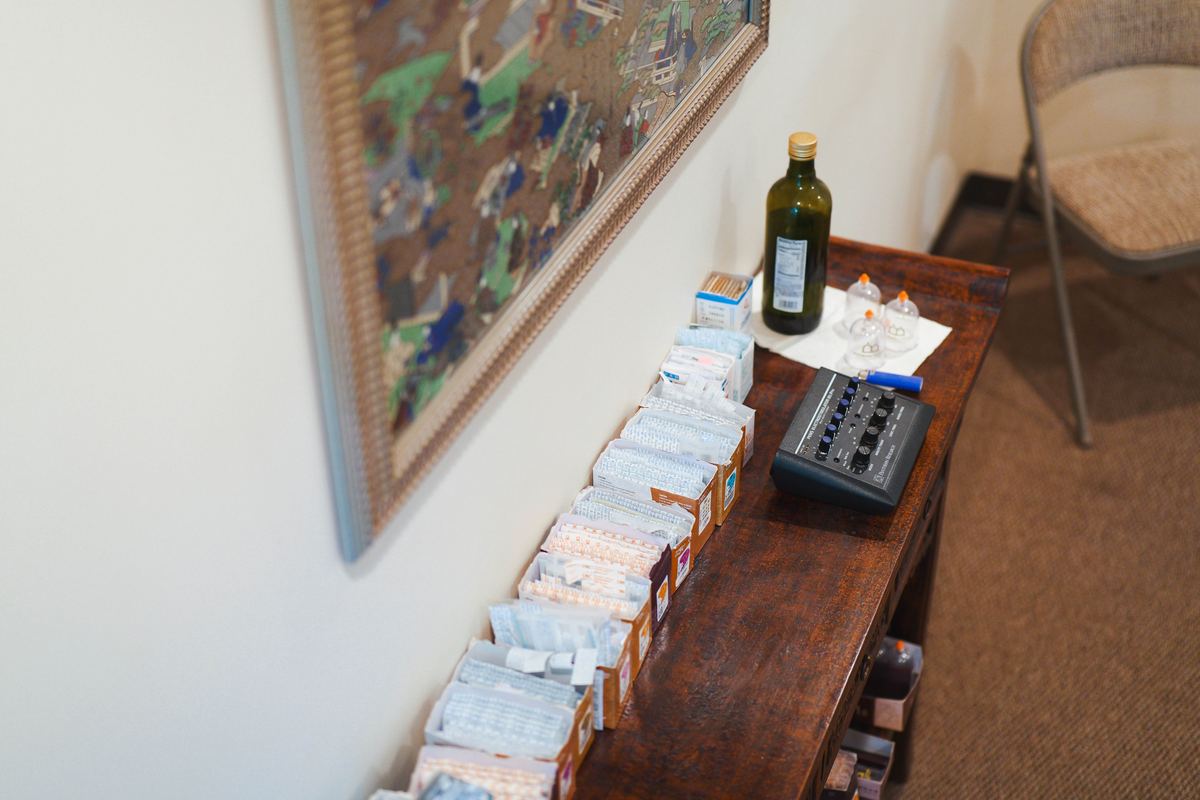
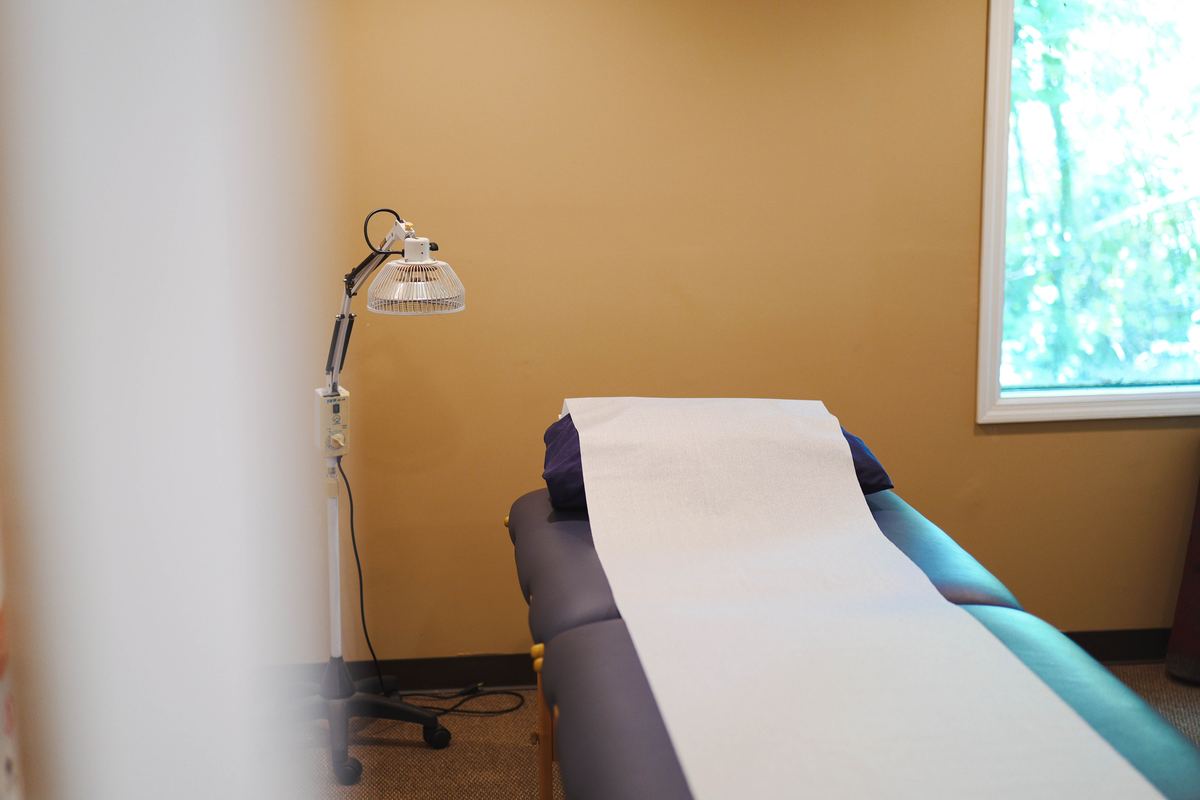
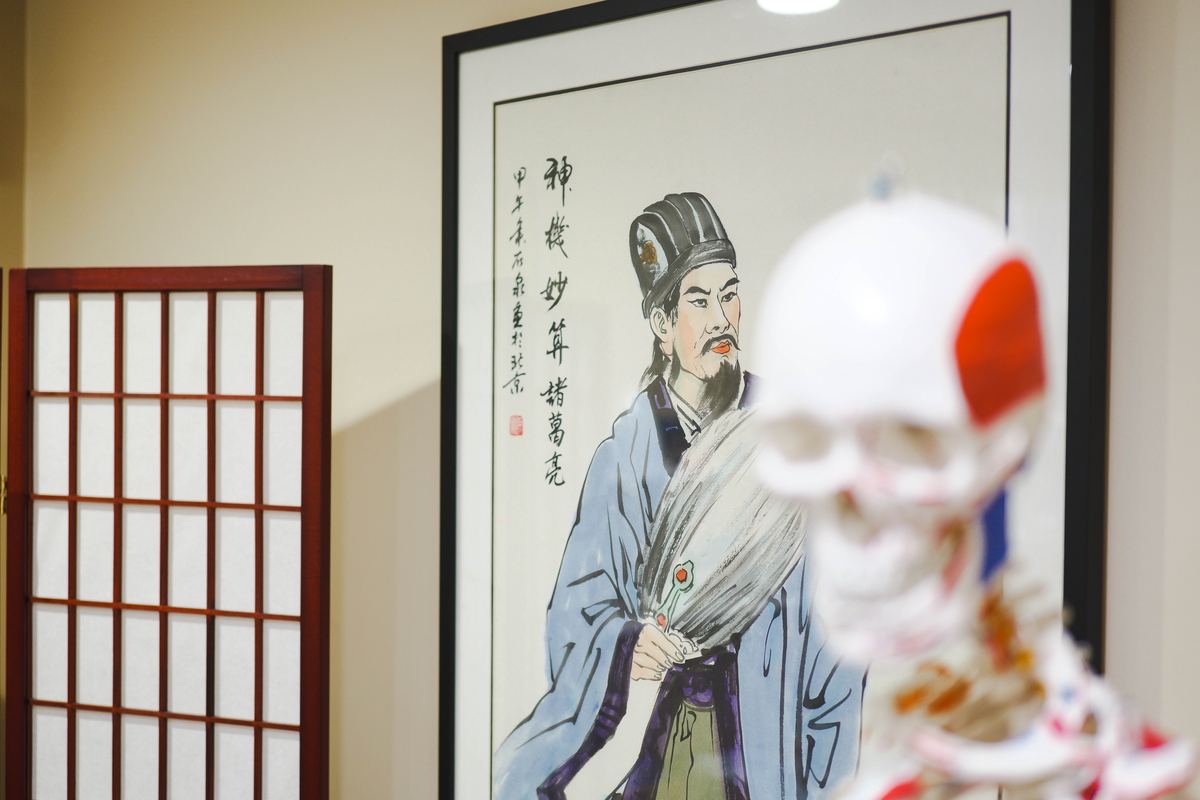
Inside Our Acupuncture Therapy Suite